Plastic Paper & Packaging
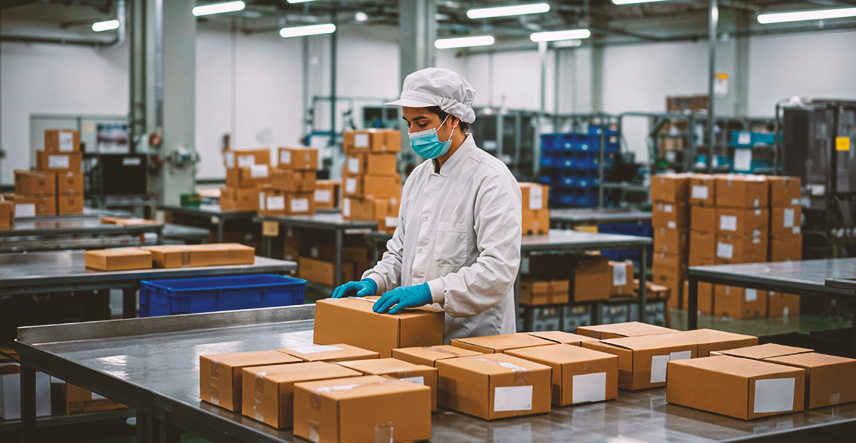
Efficient Wastewater Treatment for Plastic, Paper and Packaging Manufacturing
Plastic recycling, paper processing and packaging production can generate wastewater from washing, pulping, printing, coating, lamination, adhesive application and equipment cleaning. Depending on the process, wastewater may contain plastic fines, paper fibres, pulp, inks, pigments, adhesives, suspended solids, oil and grease, cleaning chemicals and high organic load.
Because the pollutant profile changes across different manufacturing activities, an effective ETP should be selected after understanding the actual source of contamination. Nitya Ensafe provides customized wastewater treatment and water-recovery solutions for plastic, paper and packaging facilities.
Why These Industries Need Process-Specific ETP Design
A properly engineered ETP can help facilities:
- Support applicable SPCB/CPCB discharge requirements.
- Remove fibres, pulp, plastic fines and suspended solids.
- Reduce colour, ink and pigment contamination.
- Manage adhesives, coatings and cleaning chemicals.
- Reduce BOD and COD where organic pollution is present.
- Improve treated-water reuse potential.
- Lower freshwater demand and reduce avoidable operating costs.
Key Wastewater Challenges
1. Fibre, Pulp and Suspended-Solid Load
Paper and packaging wastewater can contain cellulosic fibres, pulp and coating residues, while plastic-recycling wash water may carry dirt, labels and plastic particles. Poor primary separation can cause pump choking, filter blockage and excess sludge. Screening and solids removal should be designed around actual particle characteristics.
2. Printing Ink, Colour and Pigments
Printing and packaging operations may discharge ink wash water, dyes, pigments and other colour-producing compounds. Conventional biological treatment alone may not provide adequate colour removal. Appropriate physico-chemical treatment should be selected after colour and COD characterization.
3. Adhesives, Coatings and Lamination Chemicals
Adhesives, binders and coating chemicals can increase COD, create sticky deposits and foul filters. Concentrated cleaning streams may need segregation or pre-treatment before entering the common ETP.
4. High COD and Organic Pollution
Paper processing, coating, printing and cleaning can create a mix of biodegradable and less-biodegradable organics. Biological treatment should be sized according to the actual organic fraction and hydraulic load.
5. Plastic Washing and Recycling Wastewater
Recovered plastic washing can introduce dirt, oils, labels, detergent, organic contamination and suspended plastic fines. Variations in feedstock and washing methods can increase TSS, COD and emulsified oil, while lightweight fragments can escape conventional settling. Screening, grit removal, equalization and suitable oil separation should be selected based on particle size and wash-water characteristics. Strong front-end solids removal and oil management reduce downstream treatment load and maintenance.
6. Sludge, Filter Choking and Maintenance
Poor chemical dosing or ineffective solids removal can create excessive sludge and frequent filter cleaning. Fibres, plastic fines, sticky coatings and fine solids may blind filter media, clog pumps and require regular backwashing and inspections. Chemical dosing should be optimized to avoid unnecessary sludge generation; sludge thickening, dewatering, safe handling and scheduled cleaning of screens, filters and pipelines help maintain stable ETP performance.
7. Existing ETP Underperformance
A plant designed for earlier production conditions may become inadequate after capacity expansion, changes in raw material, new inks or adhesives, or higher recycling volume. Existing ETPs should be reassessed against current wastewater characteristics. 8. Chemical Wastewater from Cleaning & Manufacturing
8. Chemical Wastewater from Cleaning & Manufacturing
Industrial cleaning and manufacturing processes generate wastewater containing acids, alkalis, detergents, solvents, disinfectants, oils, chemical residues and other contaminants. Sudden discharge of highly concentrated chemical wastewater can cause pH fluctuations, inhibit beneficial microorganisms, disrupt biological treatment and reduce STP/ETP efficiency. Certain chemicals may also increase COD, contribute to sludge toxicity, damage treatment equipment and lead to non-compliance with discharge standards. Proper wastewater characterization, source segregation, pH neutralization, equalization and suitable physico-chemical pre-treatment are essential before introducing chemical wastewater into biological treatment systems. Regular monitoring and controlled discharge help maintain stable plant performance, reduce operational costs and ensure consistent treated-water quality.
Nitya Ensafe's ETP Solution
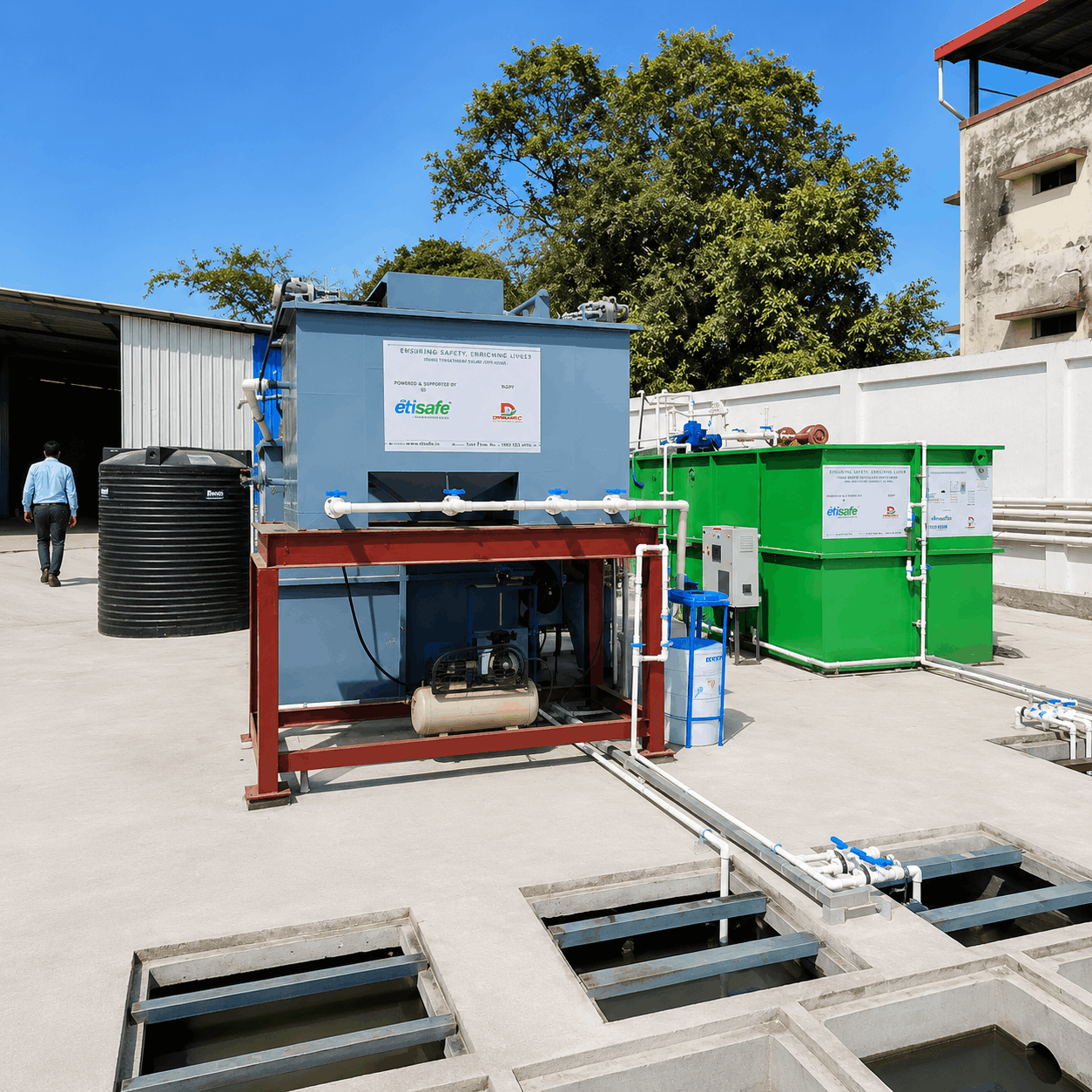
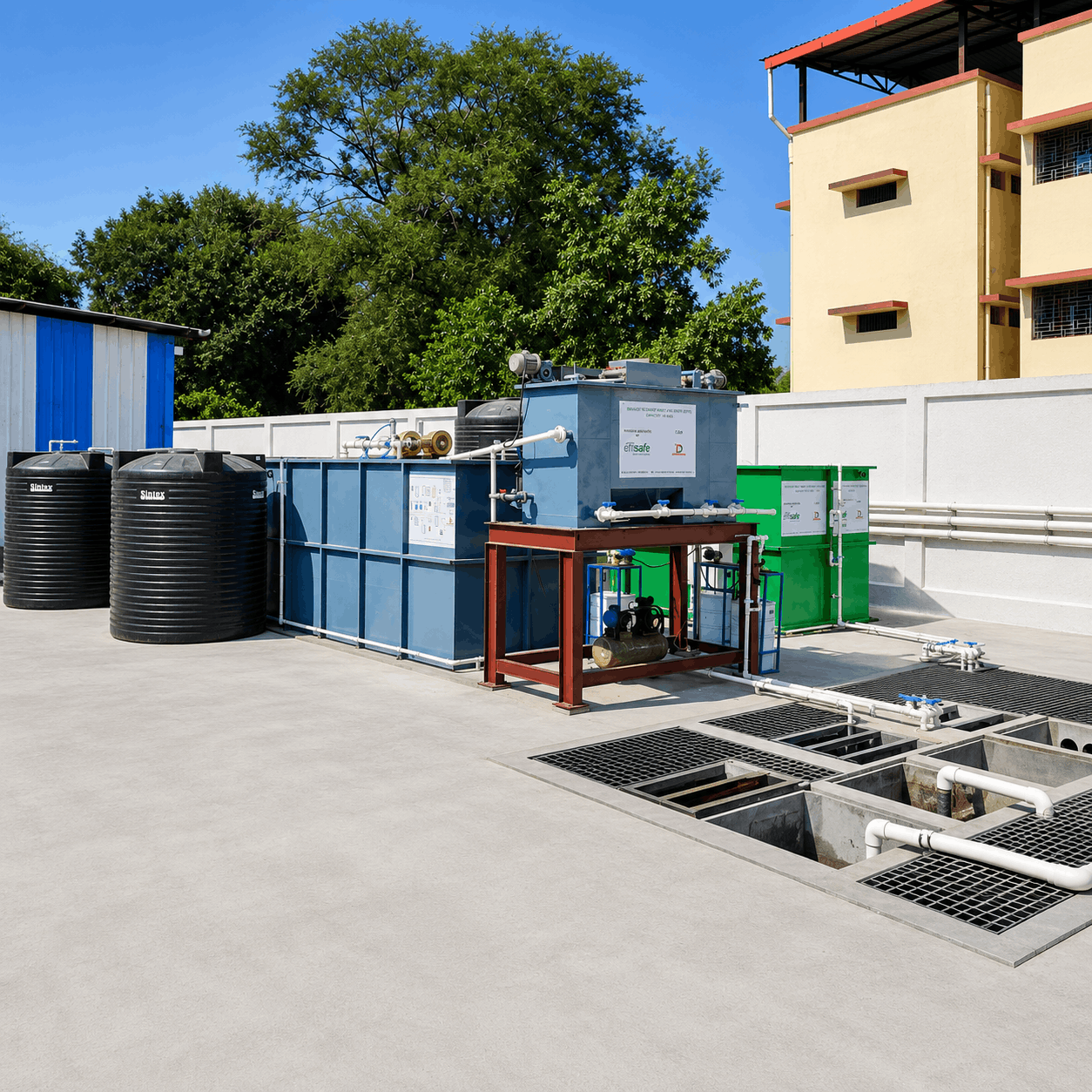
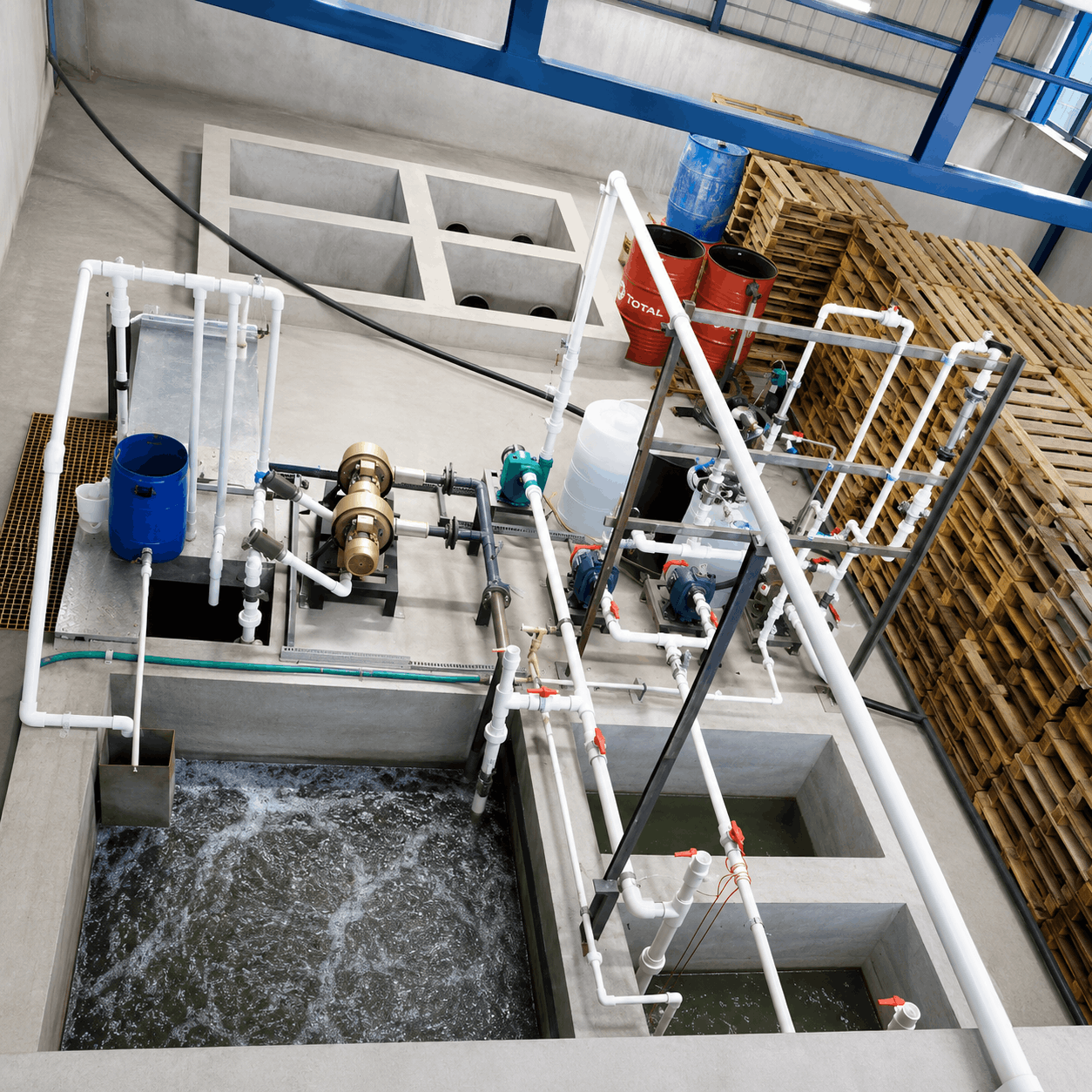
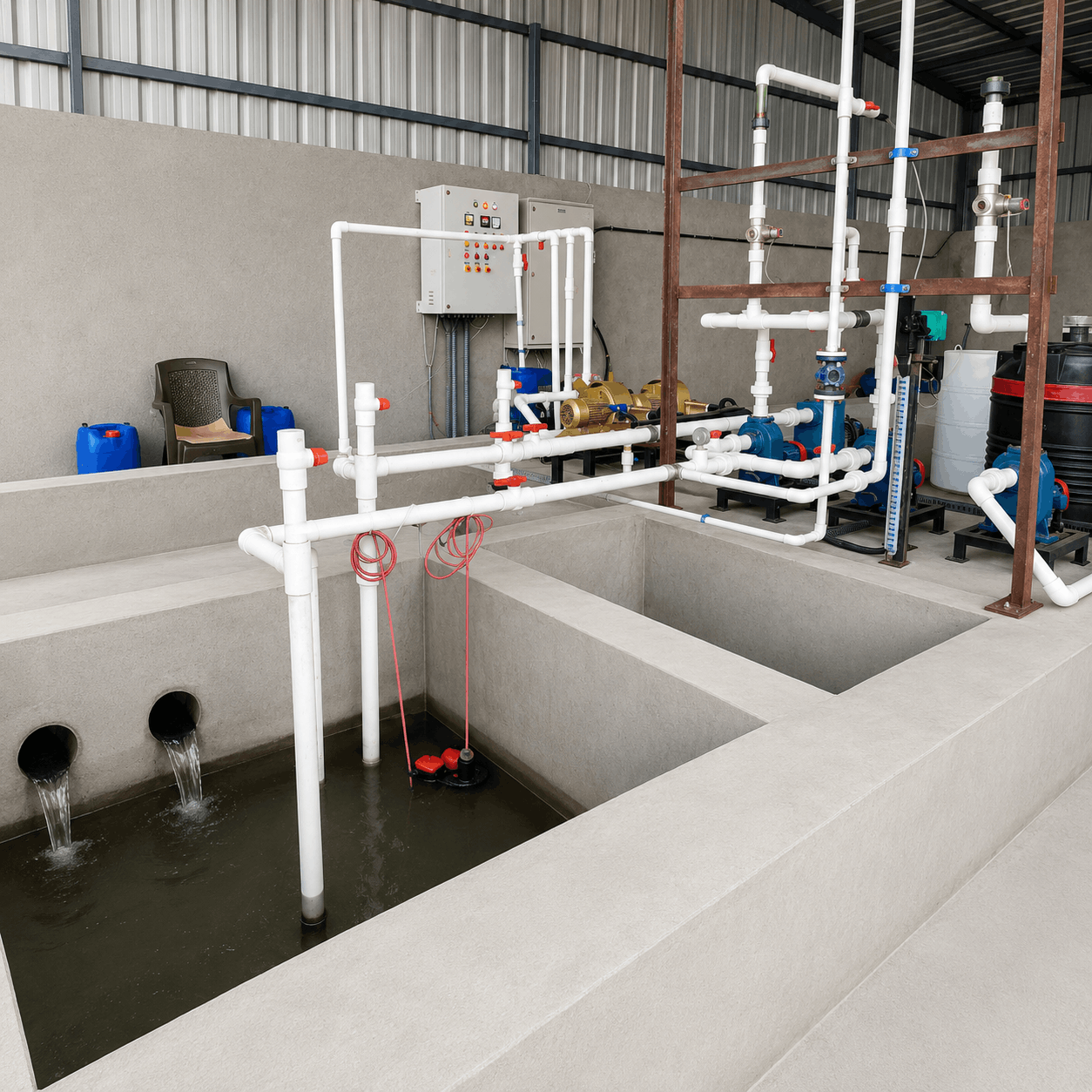
We map the manufacturing process, wastewater streams and treatment objectives before selecting unit operations. Process monitoring should include relevant flow, pH, solids, chemical-dosing and filter-pressure checks, with routine cleaning and maintenance of screens, tanks, filters and sludge-handling equipment.
Key Features
- Customized ETP design for plastic, paper and packaging wastewater.
- Screening and Fibre/plastic-fines separation.
- Primary clarification and suspended-solids removal.
- Ink, pigment and color treatment where required.
- Adhesive, coating and chemical-wash management.
- Oil and grease removal where applicable.
- COD and BOD reduction through appropriate treatment.
- Equalization and pH control for variable wastewater.
- Automated dosing and process monitoring.
- Sludge minimization and dewatering planning.
- Tertiary treatment for selected reuse requirements.
- Energy-efficient plant design.
- Existing ETP upgradation and optimization.
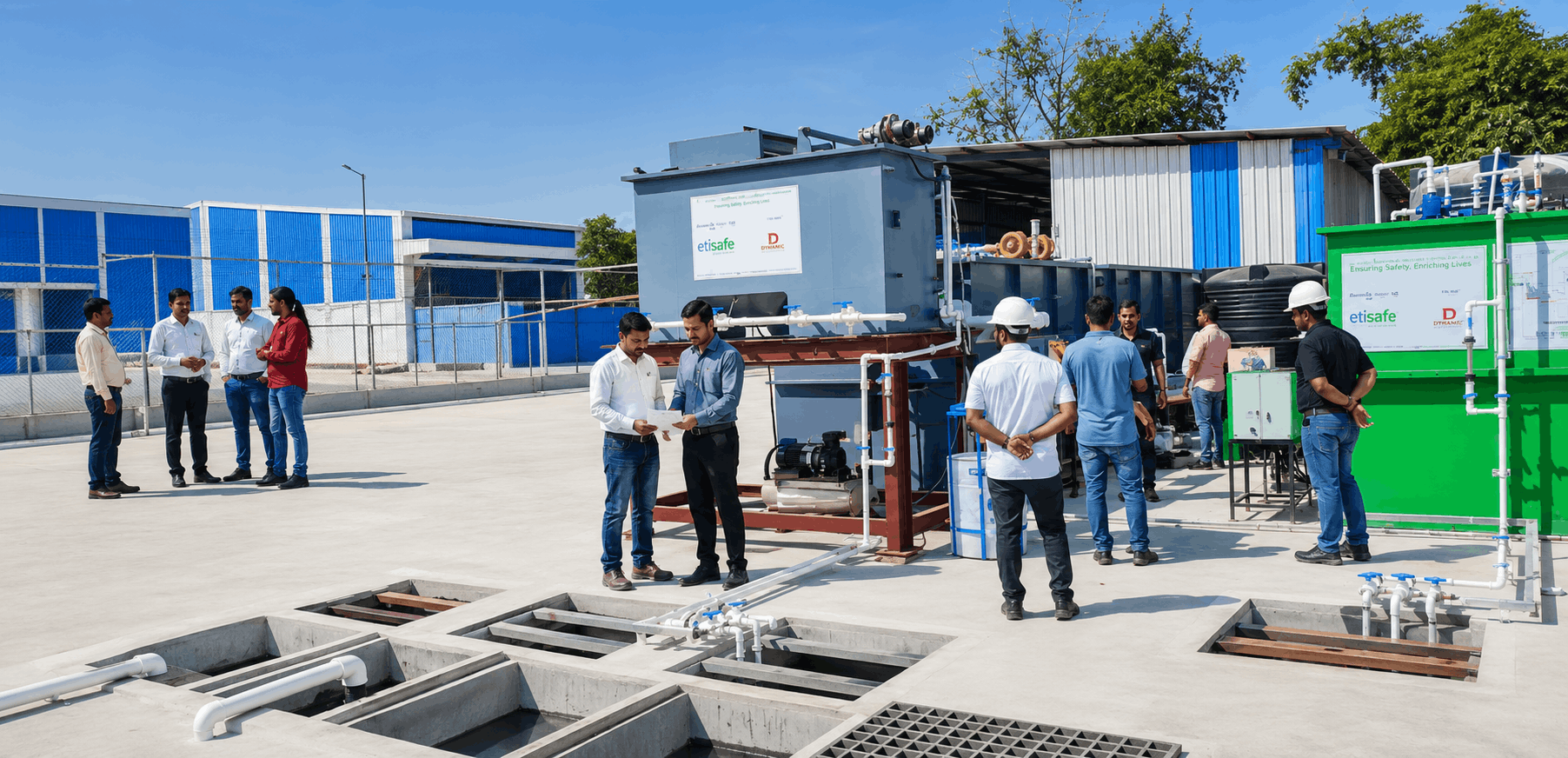
- Turnkey execution, commissioning, AMC and O&M support.
Water Recovery and Reuse
Treated water can be evaluated for suitable washing and utility applications when quality requirements are met. Recovery planning should consider contaminants that could affect the final process, including colour, dissolved solids and residual chemicals. Reuse is most effective when the target application is defined during ETP design.
Why Choose Nitya Ensafe?
Plastic, paper and packaging wastewater is not one uniform category. Nitya Ensafe develops treatment strategies around actual fibres, plastic fines, inks, adhesives, coating chemicals, oil and organic load. This process-based approach helps improve compliance, reduce maintenance and create practical water-reuse opportunities.
- Process-Specific Engineering – Treatment systems designed according to actual manufacturing processes, wastewater characteristics, pollutant loads and operational requirements.
- Industry-Specific Solutions – Customized STP & ETP solutions for plastic processing and recycling, paper processing, printing, flexible packaging, corrugated packaging, coating and allied manufacturing industries.
- Existing ETP Upgradation – Identification and correction of treatment inefficiencies, capacity limitations, chemical dosing issues and operational challenges in existing treatment plants.
- Water Recovery Focus – Treatment systems designed to maximize treated-water recovery, reduce freshwater consumption and support suitable industrial reuse applications.
- Lower Lifecycle Cost – Optimization of chemical consumption, sludge generation, energy usage, manpower requirements and maintenance expenses for cost-effective long-term operation.
- Chemical Wastewater Management – Specialized assessment, segregation, neutralization and pre-treatment of chemical wastewater from manufacturing, cleaning and sanitation processes to protect biological treatment efficiency.
- End-to-End Support – Complete assistance from wastewater assessment, process design and installation to commissioning, regulatory compliance, AMC and long-term operation and maintenance (O&M).
Wastewater Management
A well-designed ETP should remove the contaminants created by your specific production process, not force every wastewater stream through the same standard package. Nitya Ensafe can assess your plant and develop a treatment solution focused on reliable outlet quality, lower operational burden and long-term water efficiency.
Discuss Your Plastic, Paper or Packaging ETP Requirement
Contact UsProject Gallery

Let’s Build Future Together.