Pharmaceutical & Healthcare
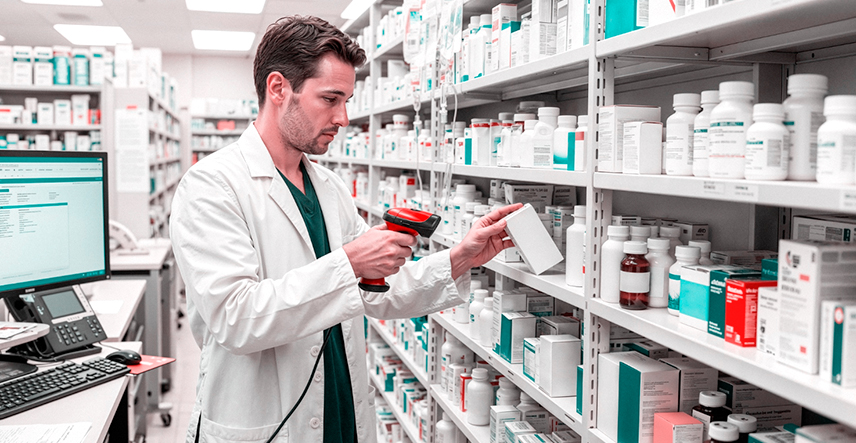
Advanced Effluent Treatment for Pharmaceutical Manufacturing
Pharmaceutical manufacturing can generate complex wastewater containing high organic load, process chemicals, solvents, active pharmaceutical ingredients (APIs), cleaning agents and dissolved contaminants. Because product campaigns, batch processes and cleaning cycles change over time, wastewater strength can vary significantly from one operating period to another.
Nitya Ensafe designs customized pharmaceutical effluent treatment plants around the manufacturing process, wastewater characteristics and final discharge or reuse objective. The focus is reliable treatment, regulatory compliance, water conservation and sustainable long-term operation.
Why Pharmaceutical Facilities Need a Specialized ETP
A well-designed ETP can help pharmaceutical manufacturers:
- Reduce BOD, COD, suspended solids and other process pollutants.
- Manage chemical and solvent-bearing wastewater before biological treatment.
- Support applicable SPCB/CPCB discharge requirements.
- Protect biological systems from shock loads and variable batch effluent.
- Improve water recovery and reuse opportunities.
- Integrate process water, RO and wastewater systems more effectively.
- Reduce sludge, chemical consumption and avoidable operating cost.
Common Pharmaceutical Wastewater Challenges
1. High and Variable COD
Pharmaceutical processes may generate biodegradable and non-biodegradable organic compounds that increase COD. The treatment process must be selected after understanding the nature of the organic load, not only the total COD value.
2. APIs, Solvents and Process Chemicals
Depending on production, wastewater may contain residual APIs, solvents, acids, alkalis, disinfectants and cleaning chemicals. Concentrated streams can inhibit biological treatment and may require segregation or physico-chemical pre-treatment.
3. Batch-to-Batch Variation
Different products and cleaning cycles can change pH, COD, TDS and chemical composition. Equalization and controlled feeding are important for protecting downstream treatment from sudden variations.
4. High TDS and RO Reject
Pharmaceutical plants commonly use RO, DM or purified-water systems. Process wastewater and RO reject can increase salinity and complicate water recovery. High-TDS and low-TDS streams should be evaluated separately where beneficial.
5. Sludge Generation
Excessive chemical dosing can create unnecessary sludge and disposal cost. Process optimization, accurate dosing and effective solid-liquid separation improve both treatment performance and operating economics.
Nitya Ensafe's Pharmaceutical ETP Solution
Our engineering process begins with manufacturing and wastewater mapping. We assess the products being manufactured, wastewater sources, batch frequency, cleaning chemicals, hydraulic load, COD profile, TDS, pH, existing treatment systems and reuse goals before finalizing the ETP configuration.
Key Features
- Customized ETP design for pharmaceutical wastewater.
- Equalization for variable batch effluent.
- Advanced physico-chemical treatment where required.
- High COD load management.
- Biological treatment selected according to wastewater biodegradability.
- Controlled pH and chemical dosing.
- High-TDS and RO reject assessment.
- Integration with WTP, RO and process-water systems.
- Water recovery and reuse planning.
- Automated monitoring and PLC-based operation.
- Energy-conscious equipment selection.
- Sludge minimization and dewatering strategy.
- Turnkey execution, commissioning, AMC and O&M support.
Applications
Nitya Ensafe can develop wastewater treatment solutions for facilities involved in:
- API manufacturing.
- Formulation units.
- Bulk drugs and intermediates.
- Nutraceutical manufacturing.
- Healthcare product manufacturing.
- Pharmaceutical research and support facilities with industrial effluent.
Each facility requires a different approach based on the actual chemistry and production schedule.
Why Choose Nitya Ensafe?
A pharmaceutical ETP should not be selected only by capacity in KLD. Its performance depends on understanding the manufacturing process and how wastewater changes during production and cleaning. Nitya Ensafe provides process-based engineering, plant upgrades, automation and long-term O&M support to help manufacturers maintain more consistent treatment and improve water management.
Build Sustainable Pharmaceutical Manufacturing
Effective pharmaceutical wastewater treatment starts with characterization, segregation and process control. Nitya Ensafe can assess your current or proposed facility and develop an ETP strategy that addresses complex effluent, water recovery and operational reliability together.
Discuss Your Pharmaceutical ETP Requirement
Contact Us →Project Gallery

Let’s Build Future Together.