Dairy Food & Beverage
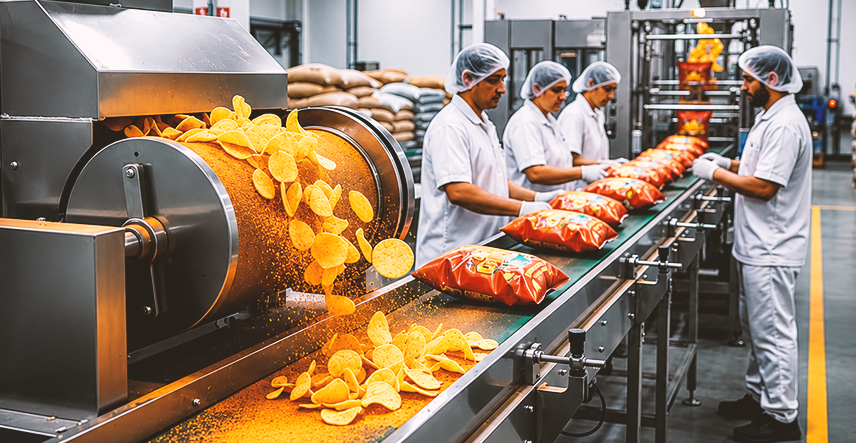
Smart Effluent Treatment for Food Processing, Beverage and Dairy Plants
Food, beverage and dairy manufacturing generates wastewater with high concentrations of biodegradable organic matter, suspended solids, fats, oils, proteins, sugars, milk solids and cleaning chemicals. The wastewater profile can change significantly between production, cleaning and sanitation cycles, making process-specific design essential for stable ETP performance.
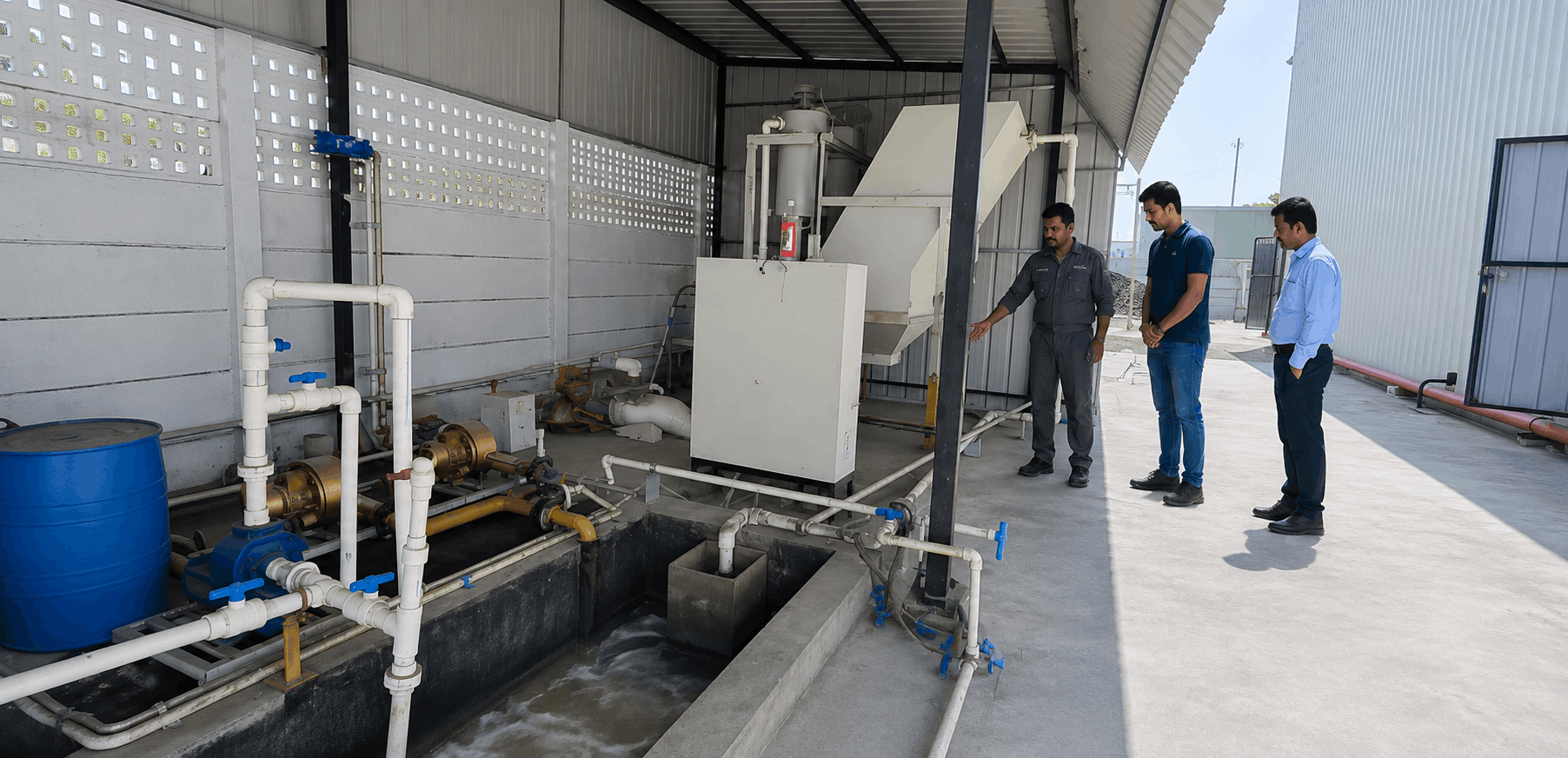
Nitya Ensafe designs customized effluent treatment plants for food and dairy facilities with a focus on BOD/COD reduction, fats-oils-grease removal, biological process stability, treated-water reuse and efficient long-term operation.
Why Food, Beverage and Dairy Industries Need an ETP
A properly engineered ETP can help manufacturers:
- Treat high-strength organic wastewater before discharge or reuse.
- Reduce BOD, COD, TSS and oil and grease.
- Support applicable SPCB/CPCB environmental compliance.
- Protect biological treatment from shock loads and cleaning chemicals.
- Recover treated water for selected non-product-contact applications.
- Reduce freshwater dependence and wastewater discharge.
- Lower chemical, energy, sludge and maintenance costs through process optimization.
Common Wastewater Challenges
1. High BOD and COD
Wastewater from milk processing, beverages, food preparation and production can contain sugars, starches, proteins, organic residues and product losses. These compounds increase BOD and COD and create a high oxygen demand in biological treatment. Equalization and properly sized biological processes are essential. High-strength organic loads can vary significantly during product losses and cleaning cycles, so inlet BOD/COD testing, organic loading-rate assessment and aeration-capacity checks are important to prevent oxygen depletion and treatment instability.
2. Fats, Oils and Grease (FOG)
Dairy, food preparation and cleaning operations may release fats, oils and grease. Without effective pre-treatment, FOG can form scum, block pipelines, coat equipment and reduce oxygen transfer. Appropriate grease separation or flotation should be considered based on actual wastewater characteristics. Proper pre-treatment is essential before biological treatment. Effective removal of fats, oils and grease helps prevent scum formation, equipment fouling and reduced oxygen transfer, supporting stable ETP performance.
3. Suspended Solids and Product Residues
Food particles, pulp, fibres, milk solids, starch residues and packaging wash solids can increase TSS and sludge production. Screening and primary solid separation help protect downstream treatment units and reduce unnecessary load. Fine and settleable residues may accumulate in equalization tanks and increase downstream clarifier loading; appropriate screens, settling or flotation and regular solids removal should be selected based on the particle profile.
4. CIP and Sanitation Wastewater
Cleaning-in-Place systems can discharge acidic and alkaline cleaners, detergents, sanitizers and disinfectants. Sudden discharge can create pH shock and inhibit the biological process. Segregation, equalization and controlled feeding improve treatment stability.
5. Variable Production Cycles
Batch production, shift changes, product changeovers and cleaning periods create changes in wastewater flow and strength. The ETP must be able to absorb these variations without losing biological performance or final water quality.
6. Sludge and Operating Cost
Excess chemicals, inefficient aeration and poor solid separation can increase sludge generation and power consumption. The treatment process should be optimized around the actual organic load rather than relying on continuous chemical correction. Operating costs should also account for aeration energy, chemical dosing, sludge thickening, dewatering, transport and compliant disposal. Routine monitoring of sludge production and solids retention helps reduce excess sludge and avoid unnecessary handling costs.
Nitya Ensafe's ETP Solution
We begin with a study of production processes, wastewater sources, cleaning cycles, product losses, organic loading and water-reuse goals. Treatment stages are then selected according to the real wastewater profile.
Key Features
- Customized ETP for food, beverage and dairy wastewater.
- Equalization for variable flow and pollutant load.
- Screening and solids removal.
- Effective fats, oils and grease management.
- High BOD and COD reduction through optimized biological treatment.
- pH control for acidic and alkaline cleaning wastewater.
- Tertiary polishing for selected reuse requirements.
- Automated operation and process monitoring.
- Reduced chemical consumption and sludge generation.
- Energy-efficient equipment selection.
- SPCB/CPCB-aligned engineering based on applicable requirements.
- Turnkey installation, commissioning, AMC and long-term O&M support.
Water Recovery and Reuse
Depending on the required quality and local regulations, treated water may be reused for suitable non-product-contact applications such as:
- Floor and utility washing.
- Cooling tower make-up after appropriate polishing.
- Gardening and landscaping.
- General utility use.
- Other approved service applications.
Reuse requirements should be considered during ETP design so tertiary treatment, storage and distribution can be sized correctly. Proper reuse planning significantly reduces freshwater demand and operating costs by making treated water available for suitable non-product-contact applications.
Why Choose Nitya Ensafe?
Food and dairy wastewater responds best to treatment that is designed around production rather than a generic industrial ETP. Nitya Ensafe combines physico-chemical treatment, biological treatment, automation and water-recovery planning to help facilities improve compliance, reduce operational burden and create a more sustainable water cycle.
Turn High-Strength Wastewater into a Managed Resource
The right food industry effluent treatment plant should manage organic load, FOG, cleaning chemicals and variable production together. Nitya Ensafe can evaluate your wastewater and develop a treatment strategy focused on reliable performance, practical reuse and lifecycle operating efficiency.
Get an ETP Assessment for Your Food, Beverage or Dairy Plant
Contact Us →Project Galley

Let’s Build Future Together.