Why Hospital Needs an Effluent Treatment Plant (ETP)?
Hospitals save lives every day. However, behind every healthcare facility lies an often-overlooked challenge—managing the wastewater generated from medical activities.
From operation theatres and laboratories to patient wards and laundries, hospitals produce wastewater containing pathogens, pharmaceuticals, disinfectants, chemicals, and organic contaminants. If this wastewater is discharged without proper treatment, it can contaminate water bodies, harm ecosystems, and pose serious public health risks.
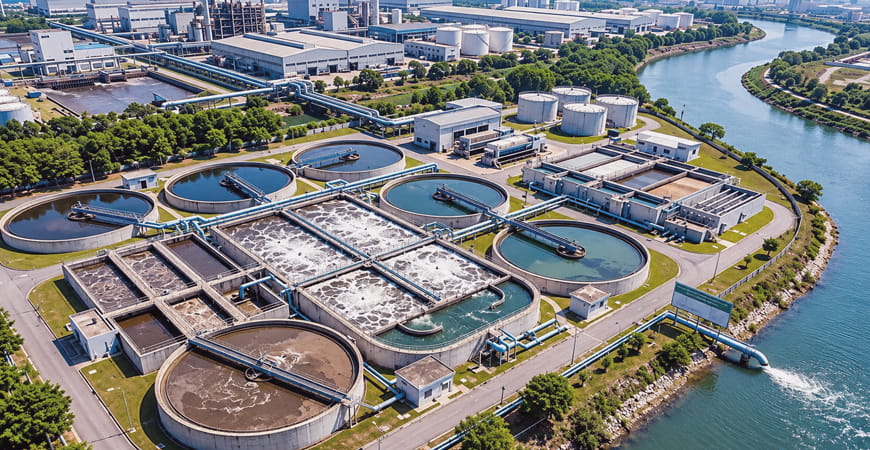
This is why a Hospital Effluent Treatment Plant (ETP) is no longer just an environmental requirement—it is a critical part of responsible healthcare infrastructure.
The Hidden Risk of Untreated Hospital Wastewater
Unlike domestic sewage, hospital wastewater contains a complex mix of pollutants that may include:
- Disease-causing microorganisms
- Antibiotic residues
- Laboratory chemicals
- Blood and bodily fluids
- Cleaning and disinfecting agents
- Organic pollutants
Without proper treatment, these contaminants can enter natural water resources and affect both environmental and human health.
Environmental Compliance is Not Optional
Healthcare facilities are expected to comply with environmental norms prescribed by Pollution Control Boards and other regulatory authorities.
Failure to properly treat wastewater can lead to:
- Regulatory notices
- Environmental penalties
- Legal liabilities
- Reputational damage
- Operational disruptions
An efficient ETP helps hospitals meet compliance requirements while maintaining sustainable operations.
Benefits of Installing a Hospital ETP
- Protect Public Health
- Support Environmental Sustainability
- Enable Water Reuse
- Improve Hospital Reputation
- Ensure Regulatory Compliance
Choosing the Right ETP for Your Hospital
Every hospital is different.
The ideal treatment system depends on:
- Number of beds
- Daily wastewater generation
- Available installation space
- Discharge standards
- Future expansion plans
Selecting the right technology is essential for long-term efficiency and cost-effectiveness.
How Nitya Ensafe Helps Healthcare Facilities?
At Nitya Ensafe, we specialize in providing customized wastewater treatment solutions for hospitals and healthcare institutions.
Our expertise includes:
- Hospital ETP Design & Engineering
- Turnkey Installation & Commissioning
- MBR, SBR, MBBR & Advanced Treatment Technologies
- Compliance Support & Documentation
- Plant Upgradation & Optimization
- Operation & Maintenance Services
- Water Reuse Solutions
Whether you are constructing a new healthcare facility or upgrading an existing treatment system, our experts ensure reliable, efficient, and regulation-compliant solutions.
Looking for a Hospital ETP Solution?
Partner with Nitya Ensafe for expert guidance, innovative treatment technologies, and end-to-end implementation support.