Beyond Compliance: How Sewage Treatment Plants Help Industries Save Water and Reduce Costs?
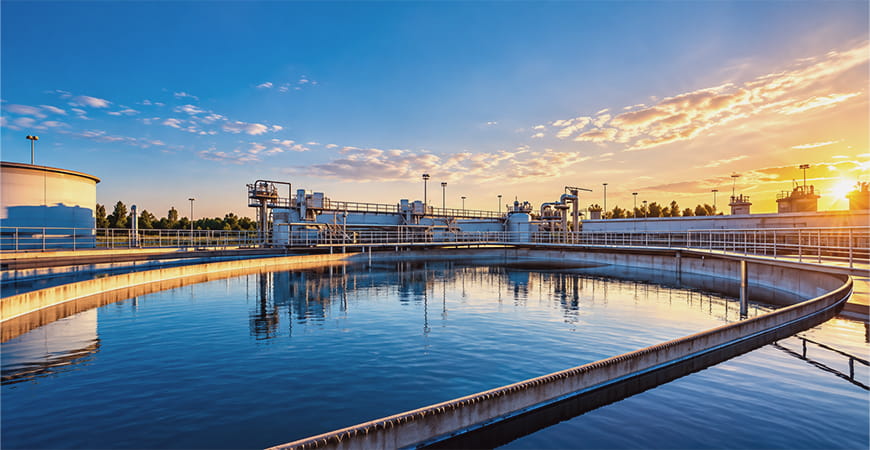
For many industries, installing a Sewage Treatment Plant (STP) is often viewed as a regulatory requirement. However, the value of an STP extends far beyond meeting Pollution Control Board guidelines.
With increasing pressure on freshwater resources, rising water procurement costs, and stricter environmental regulations, industries are beginning to recognize treated sewage water as a valuable resource rather than a waste stream.
Why Industries Generate Sewage Water?
Apart from process wastewater, industries generate significant quantities of domestic wastewater from:
- Toilets and washrooms
- Canteens and kitchens
- Administrative offices
- Worker facilities and residential quarters
Without proper treatment, this sewage can contaminate groundwater, create environmental concerns, and lead to non-compliance with regulatory requirements.
This is where an efficiently designed STP becomes essential.
Water Reuse: The Biggest Advantage of an STP
One of the primary benefits of sewage treatment is the opportunity to recycle and reuse water.
Depending on the treatment technology and required water quality, treated sewage can be utilized for:
- Gardening and landscaping
- Toilet flushing
- Floor washing
- Dust suppression
- Cooling tower makeup water
- Utility applications
By replacing freshwater with treated wastewater for these activities, industries can significantly reduce their overall water consumption.
Reducing Dependence on Freshwater Sources
Many industrial facilities rely on borewells, tankers, or municipal water supplies to meet their daily requirements. As water availability becomes uncertain and costs continue to rise, dependence on these sources creates operational and financial risks.
A properly operated STP creates a reliable internal water source that can be reused within the facility, improving water security and reducing operating expenses.
Supporting Environmental Compliance
Environmental authorities increasingly emphasize responsible wastewater management. Industries are expected to demonstrate sustainable water practices and proper disposal of domestic wastewater.
An STP helps organizations:
- Meet regulatory requirements
- Reduce environmental liabilities
- Improve compliance performance
- Support sustainability initiatives
More importantly, it demonstrates a commitment to responsible environmental stewardship.
A Step Towards Sustainable Industrial Operations
Water is becoming one of the most critical resources for industrial growth. Organizations that invest in wastewater recycling today are better positioned to manage future water challenges while reducing their environmental footprint.
Rather than treating sewage as a disposal problem, industries can view it as an opportunity to recover and reuse valuable water resources.
How Nitya Ensafe Can Help?
At Nitya Ensafe, we assist industries in designing and implementing efficient sewage treatment solutions that align with regulatory requirements, operational needs, and long-term sustainability goals.
From STP design and technology selection to compliance support and wastewater reuse strategies, we help organizations convert wastewater management challenges into