The Invisible Workforce Behind Wastewater Treatment
Small Organisms. Big Environmental Impact.
Every Sewage Treatment Plant has machines, tanks, pumps, and control systems.
But the most powerful treatment force is invisible.
Inside every biological treatment system, billions of microorganisms work continuously to break down pollutants, reduce contamination, control odour, and help convert wastewater into cleaner, safer water.
At Nitya Ensafe, we design wastewater treatment systems that support this natural biological process with the right engineering, monitoring, and process control.
01. The Real Heroes Inside an STP
Microorganisms are nature’s clean-up crew.
They naturally consume organic waste and convert harmful substances into simpler, safer compounds.
What they help achieve:
- Lower pollution load
- Better treated water quality
- Reduced odour issues
- Improved STP stability
- Support for water reuse
- Environmental compliance
In simple words:
Microorganisms do the cleaning. Engineering creates the right conditions for them to perform.
02. How the Cleaning Process Works?
Wastewater entering an STP contains organic matter, oils, grease, nutrients, suspended solids, and other contaminants. Microorganisms use these pollutants as food. As they grow and multiply, they help remove contaminants from wastewater.
This process helps reduce:
- BOD
- COD
- TSS
- Fats, oils, and grease
- Odour-causing compounds
- Organic pollution
The result is cleaner water that can be further treated, reused, or safely discharged as per applicable norms.
03. The Three Microbial Teams
Different microorganisms perform different jobs inside a treatment plant.
Team 1: Oxygen-Loving Microorganisms
These microorganisms work best when oxygen is available.
Best for:
- Breaking down organic waste
- Reducing BOD
- Improving treatment speed
- Controlling odour
- Supporting aerobic biological treatment
This is why proper aeration is essential in STP performance.
Team 2: Oxygen-Free Specialists
Some microorganisms work in low-oxygen or oxygen-free conditions.
Best for:
- Treating high-strength wastewater
- Breaking down complex organic matter
- Reducing sludge load
- Supporting biogas generation
- Improving energy recovery potential
These microbes are especially valuable in anaerobic digestion processes.
Team 3: Flexible Microbial Communities
Wastewater quality does not remain the same every day. Some microorganisms can adapt to changing oxygen levels and wastewater conditions.
Best for:
- Handling flow variations
- Managing changing wastewater loads
- Maintaining process stability
- Supporting reliable treatment outcomes
Their adaptability helps keep the treatment process balanced.
04. What Problems Do Microorganisms Solve?
- Prevent grease build-up by breaking down fats, oils, and grease (FOG)
- Reduce organic pollution by lowering Biochemical Oxygen Demand (BOD)
- Improve water quality by helping decrease Chemical Oxygen Demand (COD)
- Enhance water clarity through effective Total Suspended Solids (TSS) removal
- Control unpleasant odours by degrading odour-causing compounds naturally
05. What Microorganisms Need to Perform Well?
Microorganisms are powerful, but they need the right environment.
Key operating conditions include:
- Proper oxygen level
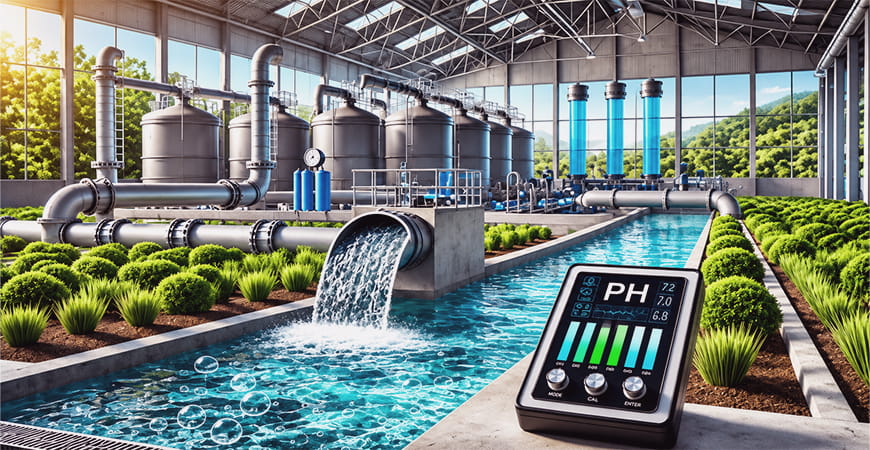
- Balanced pH
- Suitable temperature
- Adequate nutrients
- Stable wastewater loading
- Regular monitoring
- Timely process control
When these factors are managed correctly, the biological treatment process becomes more efficient, stable, and reliable.
06. Why Engineering Matters?
Microorganisms may do the biological cleaning, but engineering controls the environment in which they work.
At Nitya Ensafe, our wastewater solutions focus on:
- Correct STP design
- Efficient aeration systems
- Process monitoring
- Operational optimization
- Sludge management
- Compliance-focused performance
- Long-term sustainability
This combination of biology and engineering is what makes modern wastewater treatment effective.
07. The Future Is Biological, Smart, and Sustainable
The future of wastewater treatment is moving toward smarter biological systems.
Emerging solutions are focused on:
- Water reuse
- Energy recovery
- Nutrient recovery
- Lower operating cost
- Reduced environmental impact
- Real-time performance monitoring
Microorganisms will continue to play a central role in making wastewater treatment more sustainable and resource-efficient.
Lt’s Build Cleaner Water Systems Together
At Nitya Ensafe, we help industries, institutions, healthcare facilities, residential projects, and commercial developments design and operate efficient wastewater treatment systems.
Whether you need a new STP, process improvement, troubleshooting, or compliance support, our team can help you build a reliable and sustainable solution.
Connect with Nitya Ensafe today to discuss your wastewater treatment requirements.